
Bullion Buying Basics for First‑Time Investors
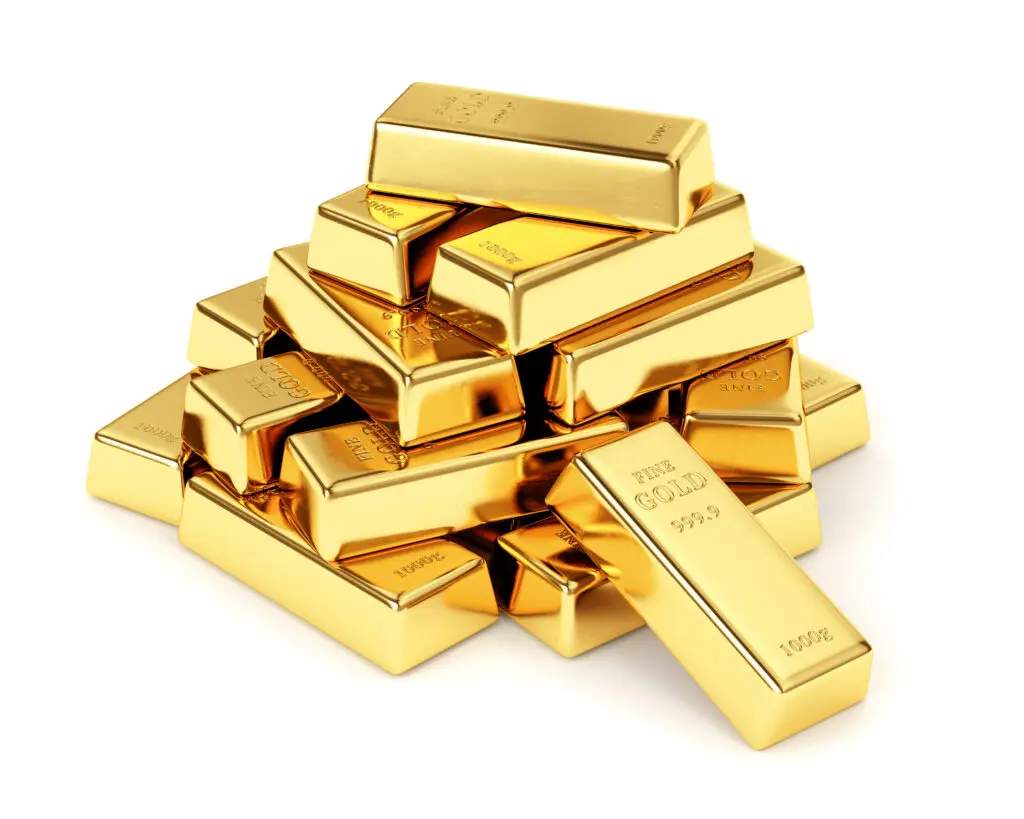
Precious metals have held value across centuries, and bullion remains one of the most accessible ways for a first-time buyer to enter the market with a physical asset whose worth is tied to something real rather than to a company’s performance or market sentiment. A few foundational concepts make the difference between buying with confidence and buying blind, and understanding how pricing and sourcing work puts any new buyer well ahead before the first transaction.
What Bullion Actually Is
Gold and Silver as Physical Assets
Bullion refers to high-purity gold or silver in physical form, valued primarily by its metal content rather than design or historical significance. That distinction separates bullion from collectible coins, where rarity and condition drive the price as much as the metal does.
With bullion, what you are buying is the metal itself. Gold bullion is widely recognized for long-term stability and its role as a store of value. Silver bullion offers a more accessible entry point for buyers working with a smaller initial budget, and it carries steady demand from both the investment and industrial markets.
Types of Bullion to Know
Bars
Bullion bars carry lower premiums over spot price than coins or rounds, which means more of the purchase price goes directly toward the metal. They come in a wide range of sizes, making them adaptable across different budget levels.
Rounds
Rounds are privately minted and resemble coins in shape and size, but they are not legal tender. They typically carry lower premiums than sovereign-minted coins, which makes them a cost-effective option for buyers focused on metal content.
Bullion Coins
Government-minted bullion coins are among the most widely traded forms of physical precious metals and carry an inherent recognizability that makes them straightforward to resell. Their sovereign origin gives them a well-established authenticity, which is a practical advantage for buyers who may want flexibility later.
Understanding Purity and Weight
Purity Standards
The purity of bullion is expressed as a decimal fineness. Gold is commonly found at .999 or .9999 fine, while silver is typically .999.
Higher purity means a greater proportion of actual metal in the piece, and confirming it through hallmarks is a standard step in any bullion purchase.
Weight Options and Why They Matter
Bullion is available in a broad range of weights, from small fractional pieces to larger bars. Knowing both the weight and purity of a piece allows a buyer to calculate its intrinsic value and compare it meaningfully against other options.
Spot Price vs. Premium
Understanding Spot Price
The spot price is the current market price for a troy ounce of gold or silver at any given moment, fluctuating based on global supply and demand along with broader economic conditions. It serves as the baseline from which all bullion is priced, and buyers who track it regularly develop a clearer sense of whether a quoted price reflects the market accurately.
What Premiums Represent
Every bullion purchase includes a premium above spot price, which covers minting and distribution costs as well as the dealer’s operating margin. Comparing premiums for similar products from a reputable bullion dealer is one of the most practical steps a first-time buyer can take.
How to Verify Authenticity
Trusted Dealers and What They Offer
Buying from a dealer with established authentication standards is one of the most reliable safeguards for a first-time buyer. A reputable source will be transparent about provenance and stand behind every piece they sell, which removes much of the uncertainty that comes with unfamiliar territory.
Hallmarks and Stamps
Authentic bullion carries hallmarks indicating purity and weight, along with markings that identify the mint or refiner behind the piece.
Becoming familiar with what legitimate hallmarks look like on the bullion you are buying builds confidence quickly and makes verification feel routine.
Storage and Security
Home Storage
A fireproof safe that is difficult to move provides solid baseline protection for bullion stored at home. Humidity control matters as well, particularly for silver, and discretion about what is stored and where adds a layer of practical security that no physical lock alone can fully replicate.
Bank Safe Deposit Boxes
A bank safe deposit box provides controlled, stable storage that most home setups cannot match. It suits buyers who prefer keeping physical holdings outside the home.
Long-Term Preservation
Bullion is best kept in its original packaging or in purpose-made holders. Handling pieces with bare hands introduces oils that affect the surface over time, particularly on silver, so consistent care habits make a meaningful long-term difference.
When Bullion Makes Sense
Bullion is often discussed in the context of portfolio diversification, with the general principle that physical precious metals can respond to economic conditions differently than stocks or bonds. Many investors include them as one component of a broader strategy rather than a primary holding.
Some buyers approach bullion through the lens of inflation protection, drawing on the historical tendency of precious metals to retain purchasing power over long periods. Others are driven by a genuine collecting interest rather than financial performance. Being clear about which motivation applies before buying makes it easier to choose the right form and set realistic expectations.
This section reflects general educational concepts only and is not personalized financial advice. For investment decisions, consult a qualified financial professional.
Conclusion
Bullion offers a tangible entry point into precious metals that rewards buyers who take time to understand a few key fundamentals. Knowing how purity and premiums translate into real purchase cost, and buying from a source that stands fully behind its inventory, are the two habits that matter most from the start.
Reach out to our team to learn more about our curated selection of gold and silver bullion.
Frequently Asked Questions
Is there a minimum investment needed to start buying bullion?
There is no fixed minimum. Small fractional pieces in both gold and silver make it possible to begin with a modest amount, and many buyers start there before expanding their holdings.
How does the resale process work for bullion?
Most established dealers will buy back standard bullion products, and government-minted coins tend to have the broadest resale market. The net return depends on current spot prices and the premium structure at the time of sale.
Does storing bullion at home require any special equipment?
A quality safe is the most important starting point. Storing pieces in their original packaging helps preserve surface condition over time.
What documentation should a buyer expect at the point of purchase?
A reputable dealer provides a receipt that identifies the piece and confirms its purity and weight. For higher-value purchases, third-party certification offers an additional layer of independent verification.
Is bullion a good option for someone with no prior investing experience?
It is often a practical starting point because the value is straightforward to understand and the product is physically verifiable, which keeps the learning curve manageable for someone without a financial background.