
Certified vs. Non‑Certified Coins Explained to Collectors
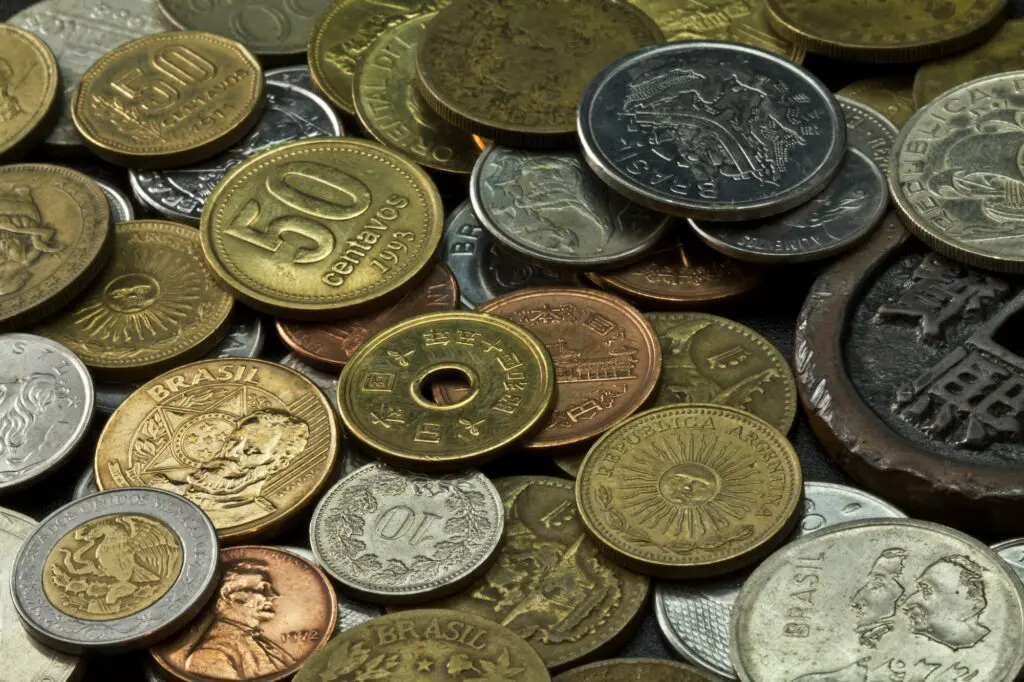
If you have spent any time browsing coin shows or online listings, you have probably noticed that some coins come sealed in hard plastic holders while others are sold loose in flips or small envelopes. This difference often comes down to certification, and knowing when it makes sense for your own coins can help you decide whether certification is worth pursuing or whether you are better off leaving a piece as is.
Understanding Certification
Certification is a process where a coin is examined by a professional grading service and then sealed in a protective holder along with a label showing its grade. The two most recognized names in this space are the Professional Coin Grading Service (PCGS) and the Numismatic Guaranty Company (NGC). Another organization, the Certified Acceptance Corporation (CAC), adds a further layer of review by verifying that a coin’s grade accurately reflects its quality.
These services exist to confirm that a coin is genuine and to assign it a grade based on its condition. Coin grading can be subjective, so having a neutral third party involved gives buyers and sellers a shared standard to work from.
This is the foundation for the decision ahead of you. Once you understand what certification actually verifies, it becomes easier to judge whether a particular coin in your collection would benefit from going through the process.
Market Value Differences
Certified coins often sell for more than their non-certified counterparts, even when the coins themselves are similar in condition. This price difference usually comes down to documentation and buyer confidence, and it is one of the first things to weigh when deciding whether certification is worth the cost.
When a buyer sees a certified grade on a coin, they know that grade was assigned by an independent expert rather than the seller. This tends to make buyers more comfortable bidding on or purchasing a coin, since there is less guesswork involved.
Sellers benefit too, since a certified listing carries built-in credibility that a written description alone cannot always provide. If you are thinking about selling a coin in the near future, this potential price gain is often the deciding factor.
Risks of Non-Certified Coins
Non-certified coins are not inherently problematic, but they do carry a bit more uncertainty, and that uncertainty is worth factoring into your decision. Without a third-party grade, there is more reliance on the seller’s description or your own ability to judge a coin’s condition.
This can sometimes lead to disagreements over grade or value. In rare cases, it can open the door to counterfeit pieces entering the market. Misgrading is another concern, since even experienced collectors can view a coin differently depending on lighting or personal judgment. Hidden flaws, like past cleaning or small repairs, may also be harder to spot without a professional review.
None of this means every non-certified coin is a risk worth avoiding. It simply means that the more a coin’s value depends on its exact condition, the more that uncertainty should factor into whether certification is the right next step.
Collector Confidence and Trust
Certification plays a meaningful role in building trust between buyers and sellers, particularly in situations where the parties do not know each other well. Estate sales and auctions are good examples of this, and they are also situations where the decision to certify often carries more weight. In these settings, a certified label gives everyone involved a shared reference point. This can make transactions move more smoothly and reduce the chance of disputes down the line.
This is also where working with a knowledgeable coin dealer can be helpful, since they can walk you through what a certification label actually tells you about a coin’s history and condition, and whether certifying a specific piece makes sense given how it will likely be sold.
Flexibility of Non-Certified Coins
While certified coins offer clear advantages in terms of documentation, non-certified coins still hold real value and appeal, and choosing to leave a coin non-certified is not the wrong decision for every situation.
Many casual collectors enjoy building a collection without the added cost of certification fees, particularly for common or lower-value coins where the extra documentation may not change much. Non-certified coins can also serve as an affordable entry point into the hobby, allowing new collectors to learn about grading and coin history through hands-on experience before deciding whether certification makes sense for their collection going forward.
For coins you plan to keep rather than sell, this flexibility often outweighs the benefits certification would provide.
When to Seek Certification
This is really the central question for most collectors: should this particular coin be certified, or is it fine as is? Rare coins, high-value pieces, and coins with historical significance tend to benefit the most, since the cost of grading is often outweighed by the added value and peace of mind it provides.
A useful way to think about it is to consider what you plan to do with the coin. If you intend to sell it, pass it down as a documented family piece, or you simply suspect it may be worth more than expected, certification is usually worth pursuing. If a coin is common, low in value, or something you plan to keep purely for personal enjoyment, the cost of certification may not add much benefit.
When you are unsure which category a coin falls into, having it evaluated by someone experienced in grading and authentication can help you make that call with more confidence.
Making Informed Choices
Deciding between certified and non-certified coins comes down to weighing cost against benefit for each individual piece rather than applying one rule to your whole collection. Certification tends to make sense for coins that are rare, valuable, or likely to be sold, while non-certified coins remain a practical choice for common pieces or coins you intend to keep for personal enjoyment. There is no single right answer for every collector, since the best choice often depends on the coin itself and what you plan to do with it. Taking a little time to weigh these factors, and consulting a trusted expert when a coin seems especially valuable, can help you decide with confidence rather than guesswork.
If you are trying to decide whether one of your coins should be certified, reach out to our team for guidance you can trust.
Frequently Asked Questions
Does a coin lose value if it is removed from its certified holder?
Once a coin is taken out of its certified holder, it typically loses the benefits tied to that certification and would need to be resubmitted for grading to regain that status.
Can any coin be submitted for certification?
Most coins can be submitted, though grading services often have guidelines around condition and authenticity before accepting a submission.
How can I tell if a certification label is legitimate?
Grading services usually provide an online verification tool. This allows you to confirm that a label matches their official records before completing a purchase.
Is certification worth it for a coin I only plan to keep?
It depends on the coin. If it holds strong sentimental or historical value, certification can still be worthwhile for documentation purposes, even without a sale in mind.
Are certified coins only for serious investors?
Not at all. Collectors at any level can benefit from certification, especially when a coin holds value worth protecting or a story worth preserving.