
Grade It, Price It, Buy It: A Rare Coin Guide
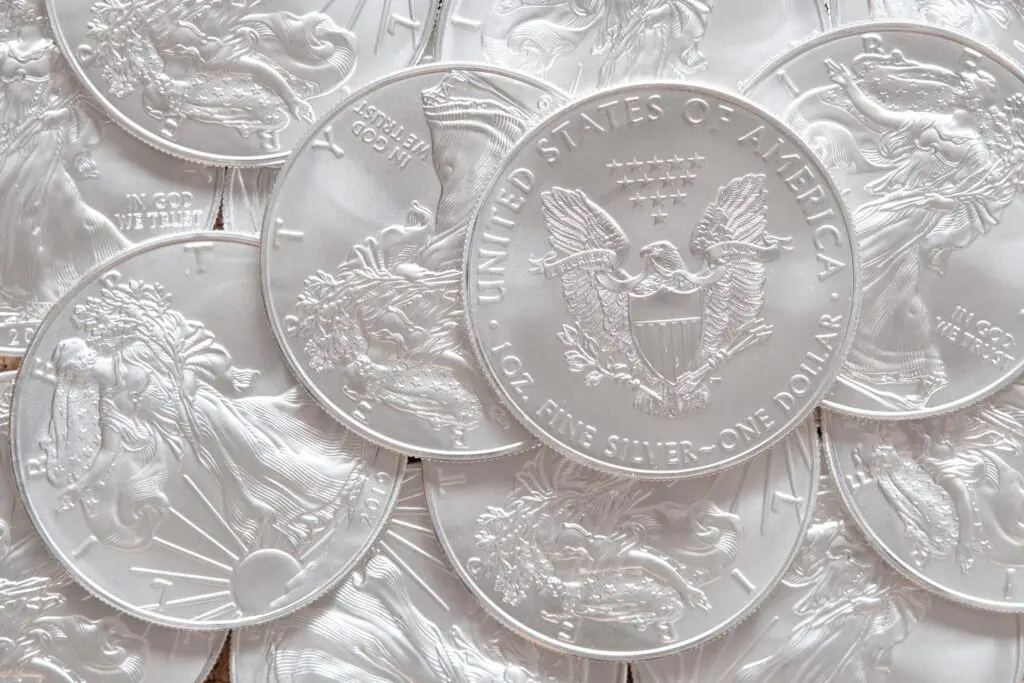
Whether you are a seasoned collector or just beginning to explore the fascinating world of numismatics, buying rare coins is both an art and a science. From knowing how to read a coin’s condition to understanding what makes one piece worth far more than another, success in this hobby requires knowledge, patience, and the right guidance. This guide will walk you through the three pillars of smart rare coin buying: grading, pricing, and negotiating — so you can build a collection you are proud of without overpaying or being misled.
What Is Coin Grading and Why Does It Matter?
Coin grading is the process of evaluating a coin’s physical condition. It is one of the most important factors in determining a coin’s value. A coin in pristine, uncirculated condition can be worth many times more than an identical coin that has been heavily used, even if both were minted in the same year from the same mint.
The grading scale used by most professional numismatists runs from a low score for a coin that is barely identifiable, all the way up to a perfect score reserved for coins in flawless, mint-state condition. Understanding where a coin falls on this spectrum is critical before making any purchase.
There are four key grading factors to look for. Luster refers to the original mint shine on a coin — any dulling, cleaning, or artificial enhancement will reduce this significantly. Strike describes how sharply and completely the design was impressed onto the coin during minting, and a weak strike can lower a coin’s grade considerably. Surface preservation covers scratches, nicks, and blemishes, all of which affect grade, and even small contact marks in key areas can significantly reduce value. Finally, eye appeal is a somewhat subjective measure that reflects the overall attractiveness of the coin, where toning, coloration, and general appearance all play a role.
For beginners, it is highly recommended to purchase coins that have been professionally certified and graded by a reputable third-party grading service. These coins come in tamper-evident holders with their grade clearly labeled, giving you confidence and protection against misrepresentation.
Understanding Rare Coin Pricing
Once you understand grading, pricing becomes far more intuitive. The value of a rare coin is influenced by several interconnected factors, and knowing what drives price will help you spot deals and avoid overpaying.
Rarity is perhaps the most obvious factor. A coin that was minted in small quantities, or one where very few examples have survived in good condition, will naturally command a higher price. Demand is equally important — a coin can be rare, but if collectors are not actively seeking it, the price may remain modest. On the other hand, coins from certain popular series or eras attract intense competition, which pushes prices higher.
Historical significance also adds to a coin’s appeal. Coins tied to important moments in history, transitional designs, or notable minting errors tend to carry premiums that purely reflect their story. Provenance — the documented ownership history of a coin — can add additional value, particularly for pieces with notable past owners or auction appearances.
Market conditions fluctuate, just like any investment. Precious metal content plays a role for some coins, which is why many collectors and investors work alongside bullion dealers who track the relationship between a coin’s numismatic value and its intrinsic metal worth. Staying current with recent auction results and dealer price guides will give you the best sense of fair market value at any given time.
Before making any purchase, consult multiple price references. Major auction house results, published price guides, and reputable dealer catalogs are all excellent starting points. Look for recent sales of coins in the same grade as the one you are considering, as older data may not reflect today’s market.
How to Negotiate When Buying Rare Coins
Many new collectors feel uncomfortable negotiating, but it is a completely normal and expected part of the rare coin market. Dealers price their inventory knowing that buyers will often make offers, so there is usually room to discuss pricing — especially if you are buying multiple pieces or paying cash.
Effective negotiation starts with doing your homework. Walk into any conversation with recent comparable sales data in hand, because knowing what a coin has sold for elsewhere gives you credibility and a factual basis for your offer. Be respectful and reasonable — coin dealers are knowledgeable professionals with overhead costs and invested capital, and an offer that is far below market value is likely to be declined and can damage the relationship. If the coin has a minor flaw, cleaning mark, or other issue that affects desirability, mention it respectfully as a reason for a lower offer. Bundling purchases also creates more room to negotiate the overall price than haggling over a single piece. And sometimes the best negotiating position is a genuine willingness to walk away — if the price is not right, passing on a coin is often the wisest decision.
Practical Tips Before You Buy
Focus on quality over quantity. A single well-graded, authentic coin from a reputable source is far more valuable to your collection than a handful of questionable pieces purchased cheaply. The market for high-quality coins tends to be more stable and liquid, meaning you can more easily sell or trade in the future.
Always buy from trusted sources. Reputable dealers, established auction houses, and certified coin shows are all venues where the risk of encountering fakes or misrepresented coins is significantly lower. Ask for documentation, provenance records, and certificates of authenticity whenever possible.
Educate yourself continuously. The rare coin market rewards those who invest time in learning. Read books, attend shows, join collector clubs, and build relationships with experienced collectors and dealers. The more knowledgeable you become, the better positioned you will be to recognize both value and risk.
Ready to Start Your Rare Coin Journey?
At Toliver James Rare Coins, we believe every collector deserves access to expert guidance, authenticated inventory, and fair, transparent pricing. Whether you are looking for your first certified coin or expanding an established collection, our team of experienced numismatists is here to help you every step of the way. Browse our curated selection or speak directly with one of our specialists for personalized advice. Visit us today — your next great find is waiting.
Frequently Asked Questions
What is the best way for a beginner to start buying rare coins?
Start by educating yourself about a specific area of collecting that genuinely interests you. Focus on coins you can afford to buy in certified, graded holders from reputable dealers. Attending a local coin show or joining a collector club is a great way to learn quickly and build relationships with more experienced collectors.
How do I know if a coin has been cleaned or altered?
Cleaned coins often show a bright, unnatural luster or have very fine hairline scratches across the surface visible under magnification. Third-party grading services will typically note cleaning or alterations on the holder, which is one of the strongest reasons to buy certified coins whenever possible.
Are rare coins a good investment?
Rare coins can be a rewarding long-term investment for those who buy wisely, focus on quality, and stay patient. Like any alternative asset, they carry risk and require knowledge. Most experienced collectors recommend collecting for the love of the hobby first, and viewing any financial appreciation as a welcome bonus rather than the primary goal.
Is it safe to buy rare coins online?
It can be, provided you use well-established, reputable platforms and sellers with verifiable track records. Stick to sellers who offer certified coins, clear return policies, and transparent descriptions. Be cautious of deals that seem too good to be true, as counterfeit and misgraded coins do circulate online.
What should I do if I think I have been sold a fake coin?
Contact the seller directly and request a refund or resolution. Reputable dealers and auction houses typically have policies in place to address authentication disputes. You can also have the coin submitted to a professional grading service for an independent opinion, and if fraud is suspected, consider reporting the transaction to the relevant consumer protection authorities.