
10 Rare U.S. Coins Collectors Should Know About
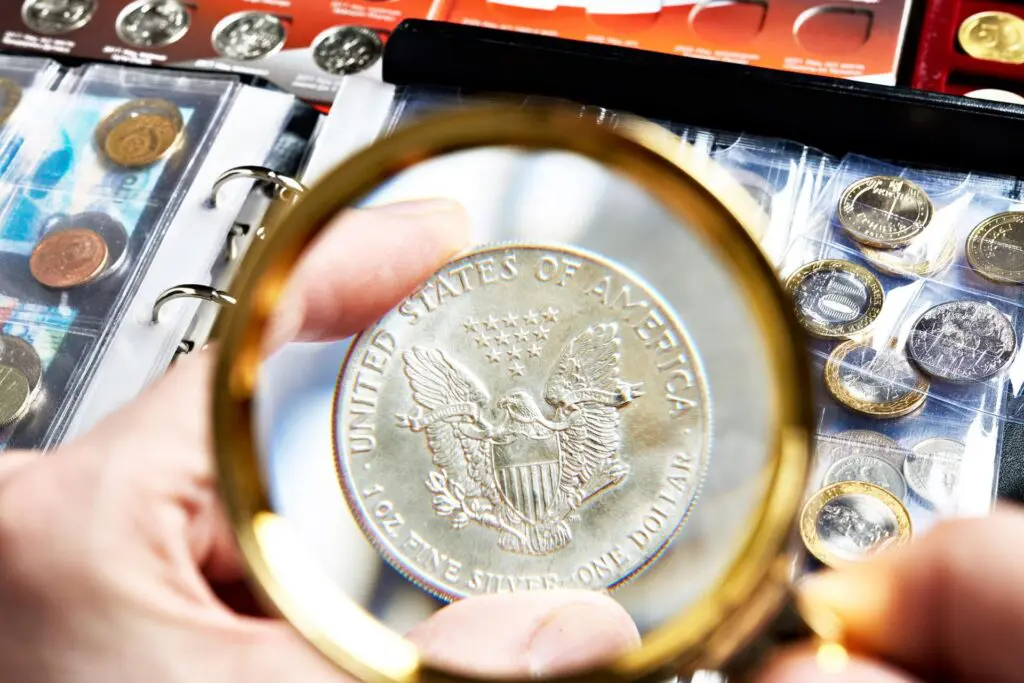
Rare U.S. coins offer a glimpse into America’s past through unusual designs and limited production runs. Some date back to the nation’s earliest years, while others gained fame because of unexpected production errors. Their scarcity attracts collectors, although condition and authenticity also influence their value. Learning about these historic pieces also helps collectors recognize what makes certain coins more desirable.
Most coin dealers who specialize in rare U.S. currency often encounter these notable pieces and understand the factors that influence collector interest. Explore these 10 remarkable coins to discover the stories behind their lasting appeal.
1794 Flowing Hair Silver Dollar
The 1794 Flowing Hair silver dollar holds an important place in American numismatic history as one of the first silver dollars issued by the United States Mint. Its obverse depicts Liberty with flowing hair, while the reverse features an eagle surrounded by a wreath. These early dollars reflect the young nation’s efforts to establish a dependable monetary system. Their age and historical significance make surviving examples especially appealing to collectors.
1913 Liberty Head Nickel
Only five examples of the 1913 Liberty Head nickel are known, making it one of America’s most celebrated coin rarities. The coin appeared after the Mint had moved to the Buffalo nickel design, leaving questions about the circumstances surrounding its production.
Its familiar Liberty Head design contrasts with its unusual date. Each surviving example has a documented history that contributes to its appeal. The nickel’s extreme scarcity has attracted considerable attention at major auctions. Its mysterious origins also continue to interest collectors and numismatic researchers.
1804 Draped Bust Silver Dollar
Known as the “King of American Coins,” the 1804 Draped Bust silver dollar has a production history that differs from what its date suggests. The famous Class I examples were struck in 1834 for diplomatic presentation sets rather than for circulation in 1804. Liberty appears on the obverse, while an eagle decorates the reverse. Collectors distinguish between several classes based on when and how the Mint produced the coins. These differences matter when researching authenticity and provenance. Its rarity and diplomatic connections have also established the dollar as a landmark in American coin collecting.
1943 Bronze Lincoln Cent
During World War II, the U.S. Mint switched to zinc-coated steel for most 1943 Lincoln cents to conserve copper for wartime needs. However, a small number of bronze planchets apparently remained in production and created rare 1943 bronze cents. Their copper-colored appearance differs from the gray steel cents issued that year. This unusual production error has made them especially famous among collectors. However, altered dates and counterfeits require careful attention. Professional authentication helps establish whether a suspected example is genuine.
1955 Doubled Die Lincoln Cent
The 1955 Doubled Die Lincoln cent features noticeable doubling in the date and lettering on its obverse. A misalignment during die preparation created the distinctive effect, making the coin a recognizable example of a minting error.
Unlike damage that occurs after production, genuine doubling forms part of the original design. Collectors often appreciate the error because they can spot it without specialized equipment. The clarity of the doubling and the coin’s condition influence its desirability. This penny remains a popular choice for collectors interested in unusual production mistakes.
1909-S VDB Lincoln Cent
1909-S VDB Lincoln cent is a key date from the first year of the Lincoln cent series. The San Francisco Mint produced the coin with designer Victor David Brenner’s initials, VDB, on the reverse. Public criticism of the initials prompted the Mint to remove them from later production that year. The relatively limited mintage makes this variety a sought-after addition to Lincoln cent collections. Its distinctive initials also help collectors identify the issue. For anyone assembling a date-and-mint-mark collection, this cent represents an important milestone.
1870-S Seated Liberty Dollar
The 1870-S Seated Liberty dollar attracts attention because of its rarity and uncertain production history. Although the San Francisco Mint struck the coin, surviving records offer limited details about its original distribution. This lack of documentation has fueled ongoing questions about how the Mint handled these dollars and how the surviving examples entered private collections.
Collectors also pay attention to the coin’s condition, since wear affects the visibility of its original details. Few examples are known, making authentication especially important when evaluating a potential purchase. Its combination of scarcity and historical mystery distinguishes it from more familiar silver dollars.
1894-S Barber Dime
The 1894-S Barber dime ranks among the rarest American dimes. The San Francisco Mint reportedly struck only 24 examples, and very few survive today. Liberty wears a cap and laurel wreath on the obverse, while the reverse features a wreath around the denomination. Its exceptionally low mintage has inspired questions about the circumstances behind its production.
Stories about the original coins have added another layer of interest, though collectors should distinguish documented facts from popular speculation. Surviving examples attract considerable attention because so few are available. For anyone studying rare American dimes, the 1894-S issue illustrates how a coin’s production history often contributes to its lasting reputation.
1933 Saint-Gaudens Double Eagle
1933 Saint-Gaudens Double Eagle is a $20 gold coin with a complex legal history. The Mint produced coins bearing the 1933 date, but the government did not release them into ordinary circulation. Most examples were melted, while a small number became connected to legal disputes. Its design features Liberty holding a torch and olive branch, with an eagle in flight on the reverse. Its rarity and artistic appeal have made it internationally famous. However, collectors must consider the legal status of individual examples before pursuing a purchase.
1916 Standing Liberty Quarter
The 1916 Standing Liberty quarter is a scarce first-year issue from a distinctive American coin series. The Philadelphia Mint produced relatively few examples that year, making the coin particularly desirable to collectors. Its obverse depicts Liberty holding a shield and olive branch, while an eagle appears in flight on the reverse. The design symbolizes readiness to defend the nation alongside a desire for peace. Wear often affects the raised details, so preservation matters when evaluating an example. Its limited availability and striking artwork make it a notable twentieth-century rarity.
Explore Rare Coins With Expert Guidance
Rare U.S. coins offer more than an opportunity to own an unusual piece of currency. Each one reflects a different chapter in American history, from the country’s first silver dollars to production errors that unexpectedly created valuable collectibles. Learning about their origins also gives collectors a stronger foundation for recognizing important dates and evaluating coins with care.
Interested in buying rare coins or selling pieces from your collection? Contact our team at Coin Shop Arizona to discuss your coins or learn more about selling your collection. The team is ready to help you take the next step with greater confidence.
Frequently Asked Questions
What makes a U.S. coin rare?
A U.S. coin often gains rarity through a low mintage, unusual production error, or limited number of surviving examples. Historical significance and condition also influence collector interest.
Which rare U.S. coin is considered especially valuable?
The 1913 Liberty Head nickel, 1804 Draped Bust silver dollar, and 1933 Saint-Gaudens Double Eagle rank among America’s most famous coin rarities. Their scarcity and unique histories contribute to their strong reputations among collectors. The value of an individual example depends on its authenticity, condition, provenance, and legal status where applicable.
How do I identify a rare Lincoln cent?
Start with the date and mint mark. The 1909-S VDB Lincoln cent features the designer’s initials on the reverse, while the 1955 Doubled Die Lincoln cent displays noticeable doubling in its date and lettering.
Does the condition of a rare coin affect its value?
Yes. Coins with minimal wear and clearly defined details often attract greater collector interest than damaged or heavily circulated examples. However, rarity and historical importance also influence desirability, so condition alone does not determine a coin’s value.
Where should I go to buy or sell rare U.S. coins?
Coin Shop Arizona offers a starting point for collectors interested in buying or selling coins. Before completing a transaction, research the coin’s market value and confirm its authenticity. Reliable documentation and a clear understanding of the coin’s condition also help support an informed decision.