
The Role of Certification in Coin Collecting
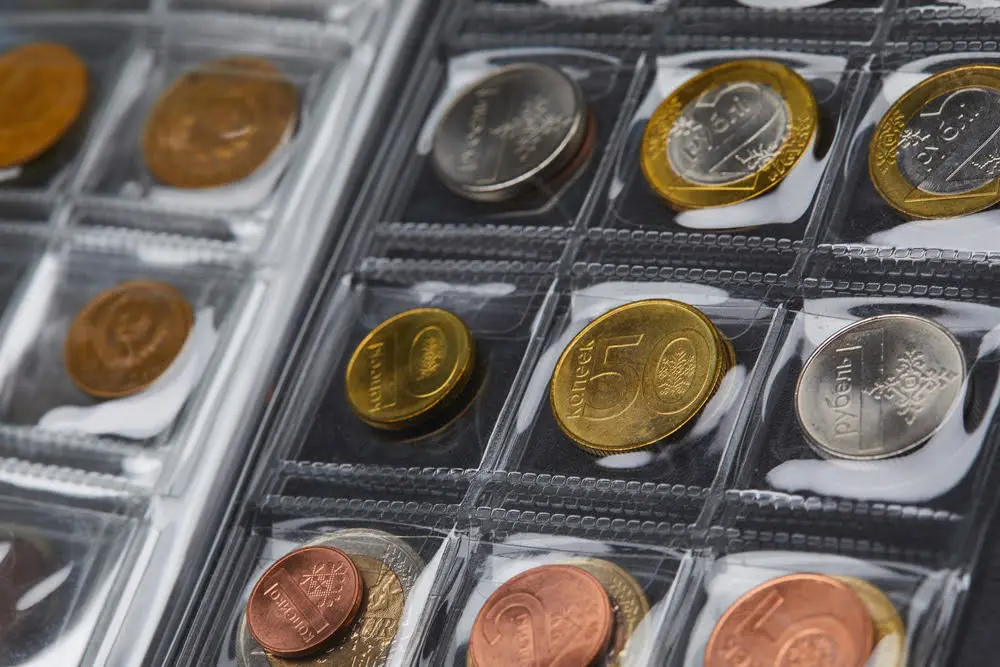
In the world of rare coins, authenticity and condition are everything. Whether you’re a seasoned collector or just starting out, certifications from trusted grading services provide the assurance you need to approach the hobby with confidence.
Why Certification Matters
Certification ensures that a coin is genuine and properly graded, with a value that reflects its true condition. Without this kind of verification, collectors take on real risk. A coin might be misgraded, or it might carry a flaw that isn’t obvious at first glance. These hidden issues can quietly reduce what a coin is actually worth, sometimes without the owner ever realizing it until they try to sell.
This is why certification has become such an important part of the hobby. It takes the guesswork out of buying and selling, giving both new and experienced collectors a shared standard to rely on. When a coin comes with a trusted certification, everyone involved in the transaction understands what they’re looking at, which makes the entire process smoother from start to finish. For beginners especially, this shared standard can make the hobby feel far less intimidating.
Trusted Grading Services
Organizations like the Professional Coin Grading Service (PCGS), the Numismatic Guaranty Company (NGC), and the Certified Acceptance Corporation (CAC) are widely recognized as leaders in coin certification. Each of these groups uses a detailed evaluation process to check a coin’s authenticity and assign it a grade based on its condition.
Because these organizations follow consistent standards, their certifications carry weight across the entire market. A coin graded by one of these services tends to be more desirable to buyers, simply because the grading removes uncertainty. Collectors know they’re working with an evaluation they can trust, rather than relying on a personal guess about a coin’s condition. Over time, this consistency is part of what has helped these grading services earn their strong reputations, and it’s also why so many collectors look for their labels before making a purchase.
The evaluation process itself tends to involve more than a quick glance. Specialists examine details like surface wear and any signs of damage before settling on a final grade. This careful approach is part of what makes the resulting certification so widely trusted.
How Certification Adds Value
Certified coins often sell for more than their uncertified counterparts, and there’s a simple reason for that. Buyers feel more comfortable paying a fair price when they know exactly what they’re getting. A documented grade removes much of the back and forth that can happen when a coin’s condition is left open to interpretation.
This documentation also makes coins easier to sell or trade down the road. If a collection is ever passed along or included in estate planning, a certified grade gives everyone involved a clear starting point for understanding value. Instead of debating condition, families and appraisers can look at the certification and move forward with confidence. This clarity often speeds up decisions that might otherwise take much longer to sort out, especially when multiple people have a stake in the outcome.
Protecting Against Counterfeits
Counterfeit coins have become a growing concern in the hobby, which makes certification more important than ever. A trained grading service can spot details that are difficult for the average collector to catch, especially as counterfeiting techniques continue to improve over time.
Certification acts as a safeguard against this risk. When a coin has been evaluated and sealed by a respected grading service, collectors can feel confident that their purchase is authentic.
This kind of peace of mind is part of why so many people choose to work with a certified coin shop when adding to their collection. Having that extra layer of trust built into the buying process makes it easier to focus on enjoying the hobby rather than worrying about what might be hiding beneath the surface of a purchase. It also gives newer collectors a way to build their collection without needing years of expertise to feel secure in their decisions.
Certification and Estate Investments
Inheriting a coin collection can be an exciting experience, but it often comes with questions. Family members may not know which coins are valuable or how their condition affects that value. This is where certification becomes especially useful, since it offers a starting point that doesn’t rely on guesswork.
A certified grade gives appraisers and heirs a clear, documented reference. Rather than trying to judge a coin’s worth from scratch, they can rely on the evaluation already provided by a trusted grading service. This makes it easier to divide a collection among family members in a way that feels fair, or to sell it at a price that truly reflects its value. For many families, this clarity turns what could be a stressful process into a much simpler one, allowing them to focus on the sentimental side of the collection rather than the financial disputes that sometimes come with it.
Conclusion
Certification isn’t just a formality. It stands as a cornerstone of coin collecting, one that protects buyers and preserves the story behind every coin passed from one collector to the next. Reach out to our team today to learn more about our certified coins and how we can help with your collection.
Frequently Asked Questions
What does coin certification actually involve?
A certification service closely examines a coin to check its authenticity. From there, it assigns a grade based on the coin’s condition and seals it in protective packaging along with this information.
Is every coin worth certifying?
Not necessarily. Some coins benefit more from certification than others, particularly those with higher value or historical significance. A knowledgeable dealer can walk you through which pieces in your collection are worth submitting for grading.
Does certification change over time?
A coin’s grade is generally stable once certified. Market value can shift due to demand or other outside factors, but the certification itself remains a reliable record of the coin’s condition at the time it was evaluated.
Can a coin be certified more than once?
Yes. Collectors sometimes resubmit coins for grading if they believe the original evaluation didn’t fully reflect the coin’s condition.
How do I know if a grading service is trustworthy?
Look for a service with a long track record in the industry. Reputation tends to build slowly, and the most respected grading services have earned theirs through many years of consistent, careful evaluation.
- <script type=”application/ld+json”> { “@context”: “https://schema.org”, “@type”: “FAQPage”, “mainEntity”: [ { “@type”: “Question”, “name”: “What does coin certification actually involve?”, “acceptedAnswer”: { “@type”: “Answer”, “text”: “A certification service closely examines a coin to check its authenticity. From there, it assigns a grade based on the coin’s condition and seals it in protective packaging along with this information.” } }, { “@type”: “Question”, “name”: “Is every coin worth certifying?”, “acceptedAnswer”: { “@type”: “Answer”, “text”: “Not necessarily. Some coins benefit more from certification than others, particularly those with higher value or historical significance. A knowledgeable dealer can walk you through which pieces in your collection are worth submitting for grading.” } }, { “@type”: “Question”, “name”: “Does certification change over time?”, “acceptedAnswer”: { “@type”: “Answer”, “text”: “A coin’s grade is generally stable once certified. Market value can shift due to demand or other outside factors, but the certification itself remains a reliable record of the coin’s condition at the time it was evaluated.” } }, { “@type”: “Question”, “name”: “Can a coin be certified more than once?”, “acceptedAnswer”: { “@type”: “Answer”, “text”: “Yes. Collectors sometimes resubmit coins for grading if they believe the original evaluation didn’t fully reflect the coin’s condition.” } }, { “@type”: “Question”, “name”: “How do I know if a grading service is trustworthy?”, “acceptedAnswer”: { “@type”: “Answer”, “text”: “Look for a service with a long track record in the industry. Reputation tends to build slowly, and the most respected grading services have earned theirs through many years of consistent, careful evaluation.” } } ] } </script>