
Top 5 Factors That Influence Rare Coin Value
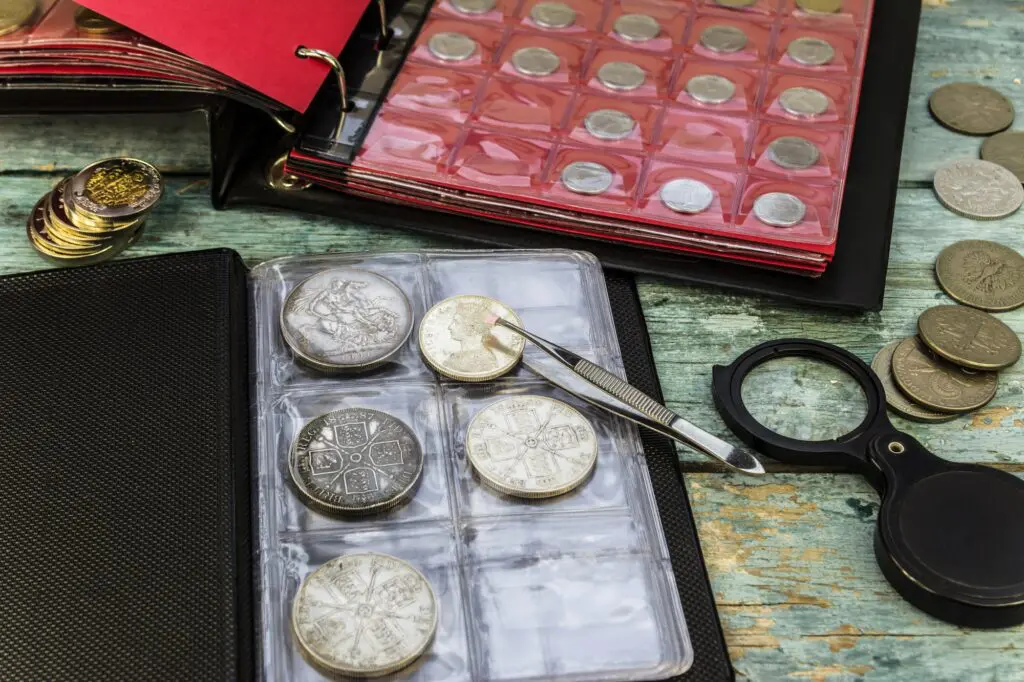
Whether you are just starting your coin collection or looking to sell a piece you have held for years, understanding what makes a rare coin valuable is one of the most useful things you can learn. Coin values are not random. They follow patterns that experts have studied and refined over time. Knowing these patterns can help you make smarter decisions, whether you are buying, selling, or simply curious about what you have. This guide breaks down the five key factors that shape the value of rare coins in a way that is easy to follow, even if you are new to the world of numismatics.
Coin Condition and Its Role in Value
When it comes to rare coins, condition is everything. A coin that looks brand new will almost always be worth more than one that has been worn, scratched, or cleaned. Collectors and experts use a grading scale to describe a coin’s condition, ranging from poor at the low end to perfect mint state at the top.
How Professional Grading Makes a Difference
This is where certified currency grading comes into the picture. Professional grading services examine a coin closely and assign it an official grade, which is then recorded and sealed with the coin in a protective case. This process removes a lot of the guesswork for buyers and sellers alike. When a coin carries a certified grade from a trusted service, people on both sides of a transaction can feel confident about what they are dealing with. Our team takes pride in offering grading services backed by unparalleled expertise, so collectors and sellers always know exactly where their coins stand.
What Affects a Coin’s Grade
Several things can impact how a coin grades. Surface marks from circulation, luster (the natural shine a coin has when it is newly made), and the sharpness of the design details all play a role. Even the way a coin was handled or stored can affect its grade. Coins that were never put into circulation and kept in ideal conditions tend to grade the highest and, as a result, tend to be the most valuable.
Rarity and Its Connection to Demand
It might seem obvious, but the fewer coins that exist of a particular type, the more people tend to want them. Rarity drives demand, and demand drives value. Some coins are rare because very few were produced to begin with. Others became rare over time because many were melted down, lost, or destroyed.
How Mintage Numbers Shape the Market
Mintage refers to how many coins were originally produced in a given year and at a given mint. When mintage numbers are low, even a coin in average condition can carry significant value simply because there are so few of them around. On the flip side, a coin that was produced in very large numbers may have less appeal to collectors even if it looks nearly perfect.
The Role of Errors and Varieties
Some coins become rare for unexpected reasons. Minting errors, such as a doubled image or a missing detail, can make certain coins extremely sought after. These “error coins” are often more valuable than their standard counterparts precisely because they represent something unusual. Varieties, meaning coins that were produced with slight design differences, can also add to a coin’s rarity and overall appeal.
Historical Significance and Collector Appeal
A coin’s story can be just as compelling as its appearance. Coins tied to important moments in history, specific eras, or notable figures often attract a wider audience of collectors. This emotional and historical connection adds a layer of value that goes beyond the coin itself.
Why Provenance Matters
Provenance refers to a coin’s ownership history. If a coin can be traced back to a famous collection, an important auction, or a historically significant source, that background can increase its value considerably. Buyers are often willing to pay more for a coin that comes with a well-documented history, because that story becomes part of what they are acquiring.
How Collector Trends Shape Demand
The world of coin collecting is influenced by trends, just like any other market. Certain series, time periods, or types of coins can become more popular among collectors at different times. Staying aware of what collectors are currently excited about can give sellers an advantage, and it can help buyers spot opportunities before interest peaks.
Metal Content and Its Market Connection
Many rare coins are made from precious metals like gold, silver, or platinum. The value of the metal itself sets a kind of baseline for what a coin is worth, even before its rarity or condition is taken into account. This is sometimes called the coin’s “melt value,” though collectors generally hope the coin is worth far more than just its metal content.
How Bullion Value Works as a Floor
For coins with significant precious metal content, the price of gold or silver on the open market has a direct impact on the minimum value. When metal prices rise, so does this baseline. This means that even a common coin in average condition retains some inherent worth as long as it contains valuable metal.
When Collector Value Surpasses Metal Value
For truly rare coins, the collector value can be many times higher than the melt value. This is the sweet spot that most serious collectors and coin dealer professionals aim for when evaluating a piece. A coin’s numismatic value, meaning its value to collectors, reflects everything from its grade and rarity to its history and current demand.
Market Timing and the State of the Economy
The coin market does not operate in isolation. Like any collectible market, it is influenced by broader economic conditions, collector confidence, and even auction results. Understanding market timing can help sellers get the most out of their coins and help buyers find fair entry points.
How Auctions Influence Perceived Value
When a rare coin sells at a major auction for a record price, it can shift how similar coins are valued across the entire market. These benchmark sales become reference points that dealers, collectors, and grading services all pay attention to. Keeping an eye on major auction results is one way to stay informed about where the market is heading.
Why Patience Often Pays Off
For sellers, timing can make a meaningful difference. Selling during a period of strong collector interest or rising metal prices can yield better results than selling during a slow period. For buyers, a quieter market can present opportunities to acquire quality coins before demand picks back up. Either way, being informed and patient tends to produce better outcomes than rushing a decision.
Rare coin value is shaped by a combination of condition, rarity, history, metal content, and market timing. None of these factors works entirely on its own. Instead, they interact with each other to determine what a coin is truly worth at any given moment. The more you understand each of these elements, the better equipped you will be to navigate the world of rare coins with confidence. Whether you are a seasoned collector or someone just discovering this fascinating hobby, knowledge is your most valuable tool.
Ready to learn more about what your coins are worth? Connect with our team today to get started with a certified grading evaluation.
Frequently Asked Questions
What is the best way to find out what my coin is worth?
The most reliable way is to have your coin evaluated by a certified grading service. A professional grade gives you an objective, documented assessment that both buyers and sellers can trust. Online price guides can offer a rough idea, but they are no substitute for an actual evaluation.
Does cleaning a coin improve its value?
In most cases, cleaning a coin actually reduces its value. Professional graders can detect cleaning under magnification, and a cleaned coin will typically receive a lower grade than one left in its original state. It is almost always better to leave a coin as you found it.
Why do two coins of the same type have very different prices?
Even small differences in grade, mint mark, or year of production can lead to significant differences in value. One version of a coin may have a much lower mintage than another, or it may carry a higher grade, both of which push the price up considerably.
Is it worth getting a common coin graded?
Generally, grading makes the most sense for coins that already have some value based on rarity, condition, or metal content. For very common coins, the cost of grading may outweigh the benefit. A knowledgeable dealer can help you decide which coins are worth submitting for certification.